How People's Childhood Has Changed
Childhood memories deserve to be cherished, even in today's changing world. Create captivating e-commerce templates that celebrate nostalgia and tell timeless stories with Pippit’s intuitive customization tools.

80 results found for "How People's Childhood Has Changed"
Videos
Images
Growing Up!
Growing Up!
#RetroFilter #watchingthemgrow #life #familymoments
Ai kecil vs dewasa
Ai kecil vs dewasa
#ai#capcut#kreatortemplat#aqeelacalista
KID AND NOW
KID AND NOW
حسابي انستا@hkut8
#المونتير_شعراوي
#childhoodphoto
Im Just A Kid
Im Just A Kid
#imjustakid#justakid#growup#glowup#us
foto kecil
foto kecil
#fyp#trend#childhood
time flies
time flies
#trend|#glowup|#timeflies|#rovic
change me
change me
#changeme#glowup#us
time flies 💓
time flies 💓
young vs now 🫶🏼 #love #bestfriend #trending #fyp
Glow up family
Glow up family
#glowup #family #trend
childhood photo
childhood photo
#fyp#foryou#trend#videoxfoto#childhood
when i'm older
when i'm older
#trend|#glowup|#whenimolder|#rovic
childhood pics
childhood pics
#sad #childhoodphoto #viral #fyp #trend
you'll never change
you'll never change
#trend #youllneverchange #glowup #glowuptrend
bullying changed
bullying changed
#capcuttrend#capcuttemplate#capcutediting#fyp#stlakanya
I wonder🤔
I wonder🤔
#older #trend #babyvsnow #growingup
once i was 3year old
once i was 3year old
#trend|#glowup|#childhood|#rovic
since I was a kid
since I was a kid
#protemplatetrends
I’m just a kid
I’m just a kid
#2025fathersday #viralgroup #nowvsthen #imjustakid #dad
ever since i was kid
ever since i was kid
#trending#makeitviral#fyp
i didn't change that
i didn't change that
much |#trend|#glowup|#rovic
u know the timeflies
u know the timeflies
#trend|#youknowthetimeflies|#rovic
my childhood photo
my childhood photo
#trend|#glowup|#childhood|#rovic
Childhood vs Now
Childhood vs Now
follow me on TikTok @bennyedits1
#fyp
Childhood Vs Now
Childhood Vs Now
@bennyedits1 on tiktok
childhood photo
childhood photo
#fyp#trending#makeitviral#foryou#viral
what i would look as
what i would look as
#kidface #teenagelook #now #agedfilter #astridedits
2016 to 2017 trend
2016 to 2017 trend
#growup#trend#kenjohn#fyp#viral
THEN > NOW
THEN > NOW
#track10#then&now#glowup#viral#foryoupage
grow up
grow up
#trendtiktok#childhoodphoto#fyp
time flies
time flies
young vs now #protemplate #young #glowup
smile vs smiling
smile vs smiling
#trend|#childhood|#glowup|#rovic
Younger self 💗
Younger self 💗
Where'd all the time go? 💗#age #youngerself
imjustakidand..
imjustakidand..
#trend #glowup #relatable
You’ve changed
You’ve changed
#fyp#viral#trend#trending
#childhoodphoto
#childhoodphoto
#childhoodphoto#glowup#beforevsafter#trend#ana_lyn
Have you changed?
Have you changed?
#phototranstion #photos #childhood #itsnasg
now vs younger self
now vs younger self
#forpage#trending#vairal #youngerself #pastvspresent
AI Grown up
AI Grown up
#aiportrait #grownup #aifilter #miversionia #mom
ver 25
ver 25
pict child #memories#childhoodphoto#masbre
i didn't change that
i didn't change that
much |#trend|#glowup|#ididntchangethatmuch|#rovic

All the Smart Tools You Need to Streamline Your Content Creation
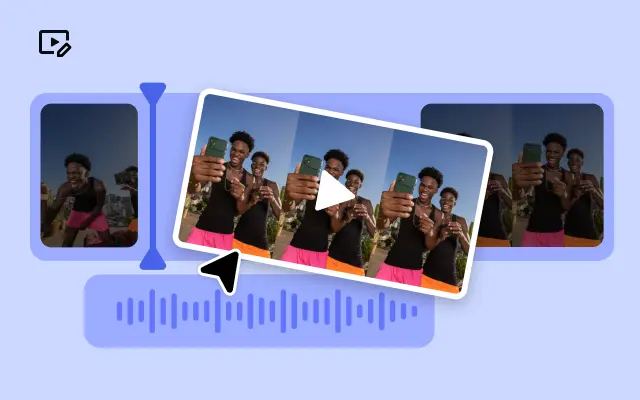
Video Editor
A powerful all-in-one video editing tool packed with features.

Sales Poster
Effortlessly create AI-powered promotional posters for your products.

Smart Crop
Crop videos to perfectly fit any platform's aspect ratio.
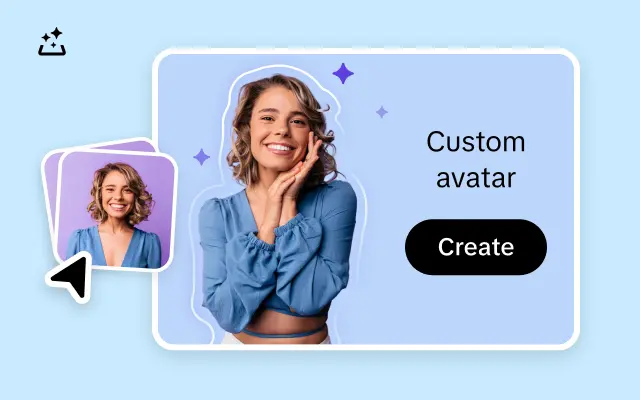
Custom Avatar
Create your own unique digital avatar for a personalized touch.

Image Editor
Your go-to tool for creating and editing images with ease.
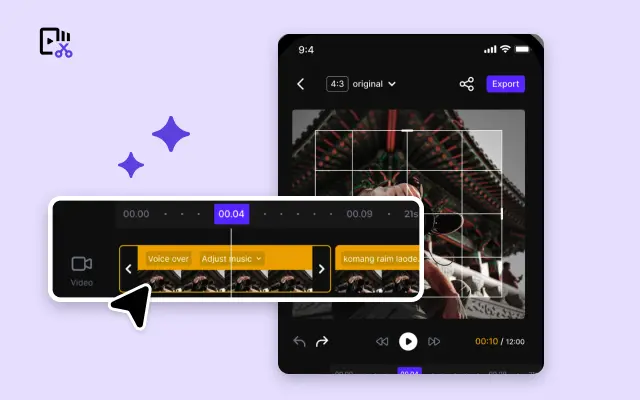
Quick Cut
Speed up video editing by transcribing and editing directly from text.

Remove Background
Instantly remove backgrounds from images with one click.
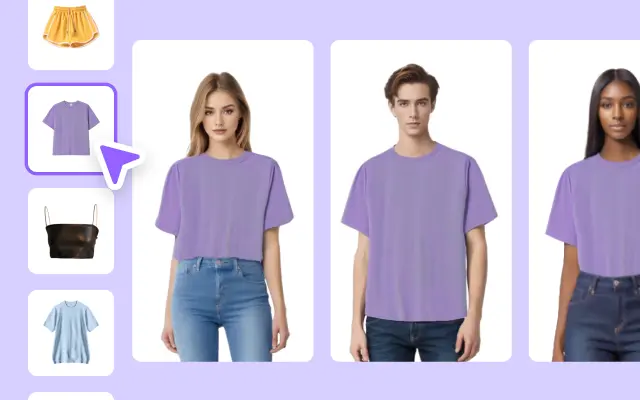
AI Model
Showcase your clothing on AI models for an immersive try-on experience.

AI Shadows
Add lifelike shadows and lighting to products for enhanced realism.
About How People's Childhood Has Changed
Remember racing bikes until the streetlights came on, playing outside for hours, and swapping stories face-to-face without a care in the world? Childhood used to be brimming with simple joys and outdoor adventures. But today, digital devices and screen time shape the way kids grow up, creating a vastly different experience compared to past generations. How children's early lives have transformed is nothing short of fascinating, and it’s a change every parent, educator, and caregiver is bound to notice.
Technology is at the heart of this evolution. Devices like tablets, smartphones, and game consoles weren’t staples a couple of decades ago. Back then, play meant physical activity – from building treehouses to backyard tag or crafting things out of whatever kids could find lying around. Today, interactive apps, social media, and video games dominate, making physical play less of a priority. While technology offers tremendous learning opportunities, it’s introduced new challenges, such as striking a balance between screen time and real-world experiences.
Education has also shifted dramatically. Earlier childhoods were filled with hands-on learning, catch-up reading in libraries, and encyclopedias as go-to sources for information. Now, online platforms and remote learning are pivotal for modern kids. The accessibility to knowledge has improved tenfold, but the loss of tactile and social elements of education has created a significant tradeoff.
One major shift lies in connections and relationships. Long gone are the spontaneous gatherings where kids knocked on a neighbor’s door to ask, "Can you play?" Social interactions have moved online, leaving a generation navigating friendships through likes and comments rather than shared moments. While this opens up unprecedented connections globally, it can also lead to a feeling of isolation or pressure to 'perform' on social platforms.
What can we take from these changes? While some aspects have been enriched, others are bittersweet reminders of what’s been left behind. This reflection presents an opportunity for us. Whether you're a parent fostering in-person play, a teacher combining technology with traditional teaching, or just someone advocating for a slower pace in a fast-moving world, you have the power to shape a meaningful and balanced childhood for today’s generation.
Fascinated by this transformation? It’s time to open up meaningful conversations about preserving the essence of childhood while embracing technological advancement. Stay heartened – tomorrow’s generation holds endless promise. Let’s help them find the best of both worlds.


